
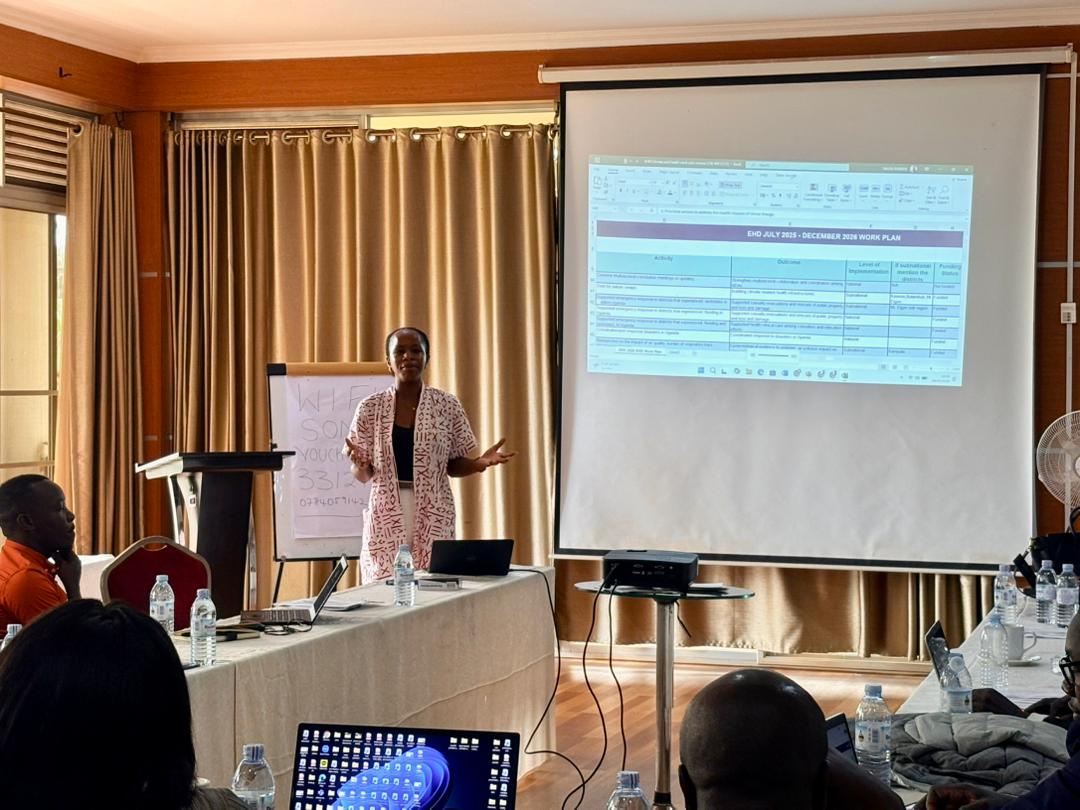
 Last week in Jinja, Regenerate Africa participated in the 9th Coordination Meeting of the
Health National Adaptation Plan (HNAP), convened by the Ministry of Health Uganda in
partnership with the Clinton Health Access Initiative.
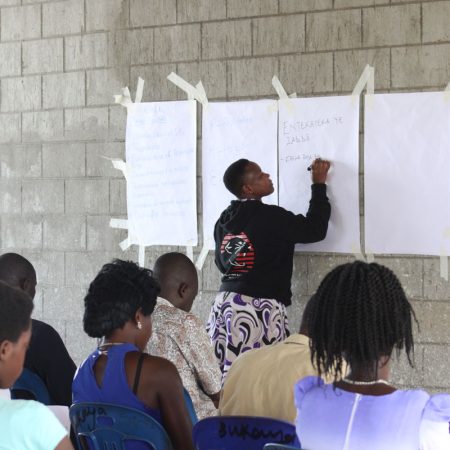
This three-day strategic engagement brought together Ministries, Departments and Agencies,
development partners, research institutions, and civil society to align national and partner-led
interventions under Uganda’s Health National Adaptation Plan (2025–2030).
At stake is a critical question:How do we build a climate-resilient health system in the face of rising disease burdensand limited financing?
While Uganda’s climate finance ambition for 2023–2030 stands at USD 28.1 billion, the
health sector receives only about 3% of total climate financing. The Health National
Adaptation Plan is costed at USD 64 million and is a framework designed to strengthen
resilience across surveillance systems, infrastructure, supply chains, and community health
systems.
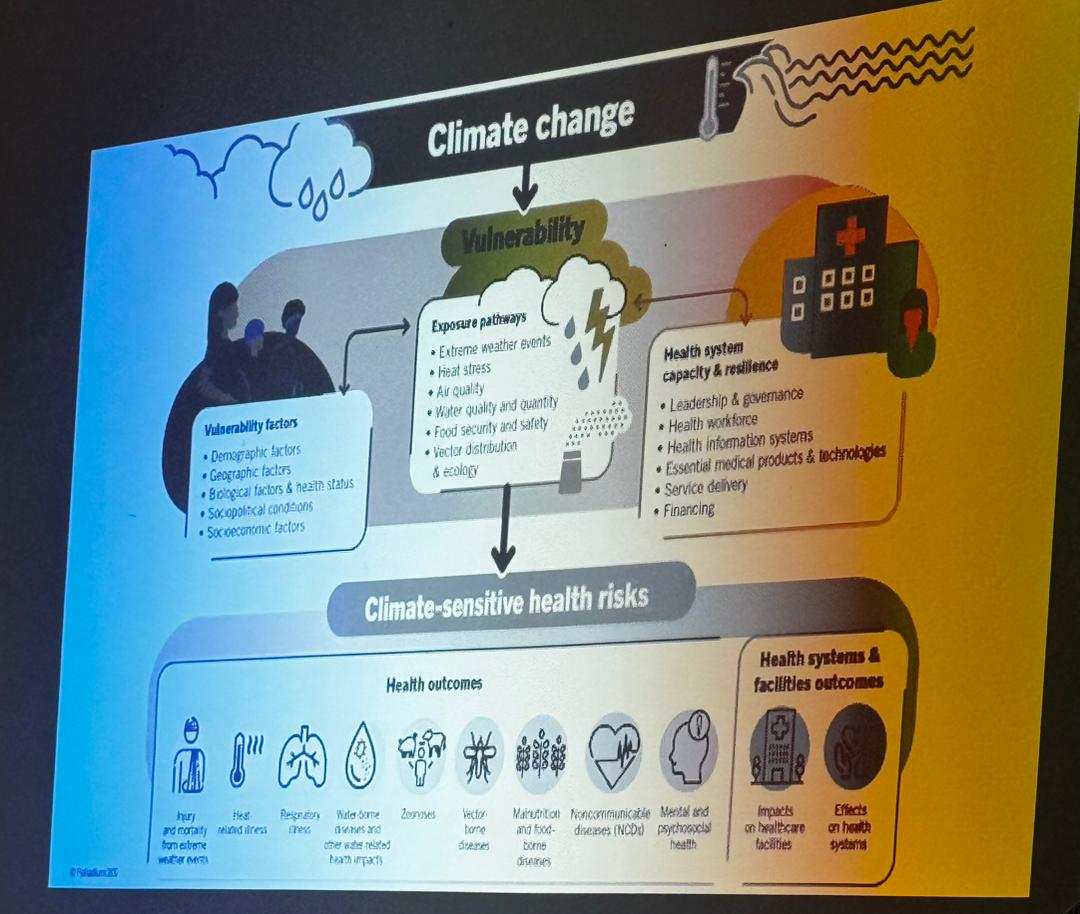
At the same time, climate change is increasing vector-borne diseases, worsening malnutrition,
disrupting WASH systems, and intensifying extreme weather events that directly affect health
service delivery.
While the gap between climate risk and climate-health financing is growing, the workshop
focused on strengthening coordination, validating emerging evidence on climate and health
financing, and identifying practical pathways for structured resource mobilisation.
Key outcomes included:
- Validation of the Climate & Health Financing Landscape Assessment, which
highlighted fragmented funding flows and the urgent need for stronger coordination. - A proposal to establish an Inter-Ministerial Technical Steering Committee on
Climate and Health Financing to unlock domestic and international funding
streams. - Strategic discussions on integrating climate risk management into HIV, TB, and
malaria programming under the upcoming Global Fund cycle (2027–2029), ensuring
climate resilience is embedded within health system strengthening. - Emphasis on integrating climate data into national surveillance platforms and
strengthening reporting mechanisms through tools such as M-Water to improve
accountability and investment tracking. - Reinforcement of district-level Vulnerability and Adaptation Assessments to ensure
that planning reflects local climate realities.
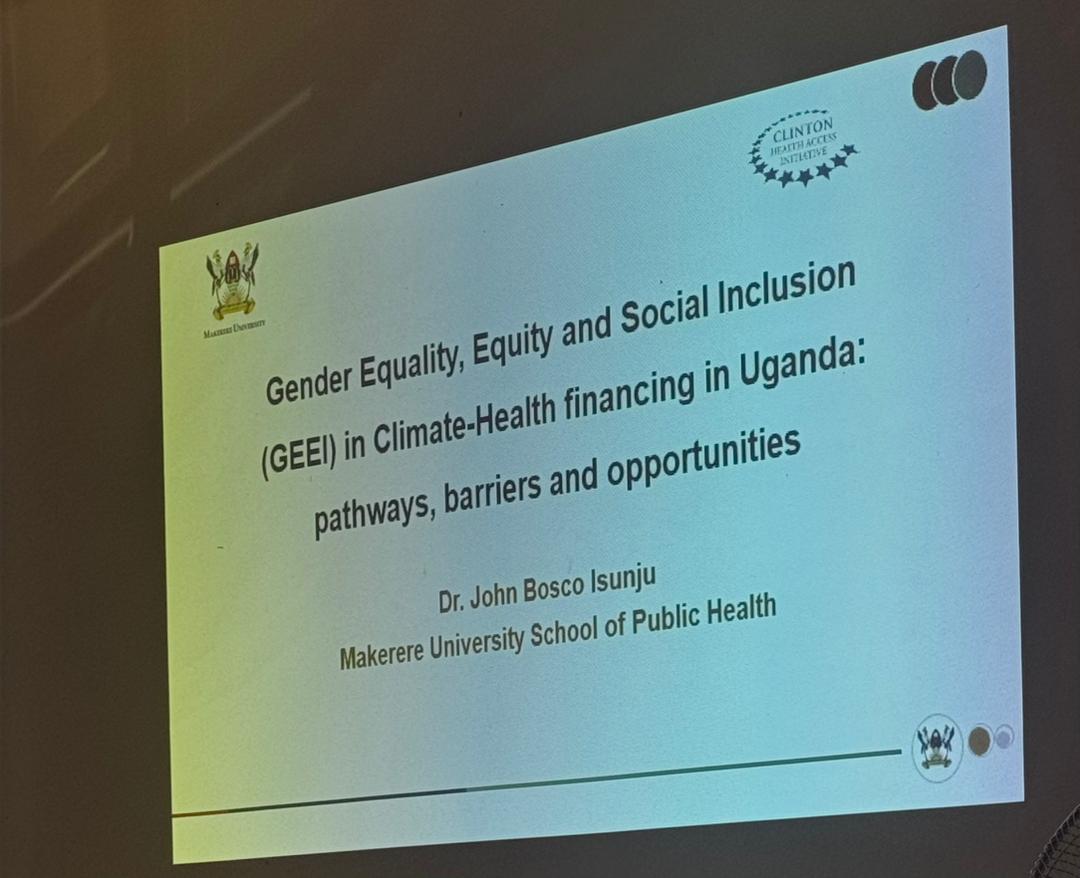
A powerful moment during the meeting was the discussion of Gender Equality, Equity, and
Social Inclusion in climate-health financing.
Evidence shows that women, youth, persons with disabilities, and climate-vulnerable
communities are disproportionately affected by climate shocks. Yet tracking mechanisms
often fail to show whether financing actually reaches these groups. Climate financing must be
intentional, measurable, and equitable.
Resilience that excludes vulnerable populations is not resilience at all.
Regenerate Africa plays a catalytic role in advancing resource mobilisation and policy.
Three lessons stand out:
- Climate-health financing exists, but coordination and technical readiness determine
access to it. - Data integration and reporting are critical for visibility, accountability, and increased
allocations. - Equity must move from principle to practice within financing frameworks.
Climate change is reshaping health systems. The response must be strategic, collaborative,
and adequately financed. - At Regenerate Africa, we remain committed to advancing climate-resilient, gender-
responsive, and evidence-driven health systems that leave no one behind.
The conversation continues, and so does the work.
#ClimateHealth #ClimateFinancing #GenderEquality #HealthSystems #ClimateAdaptation
#PolicyAdvocacy #Resilience #RegenerateAfrica #HNAP