
Women-Led Green Small and Medium Enterprises: Four Cohorts, One Transformation
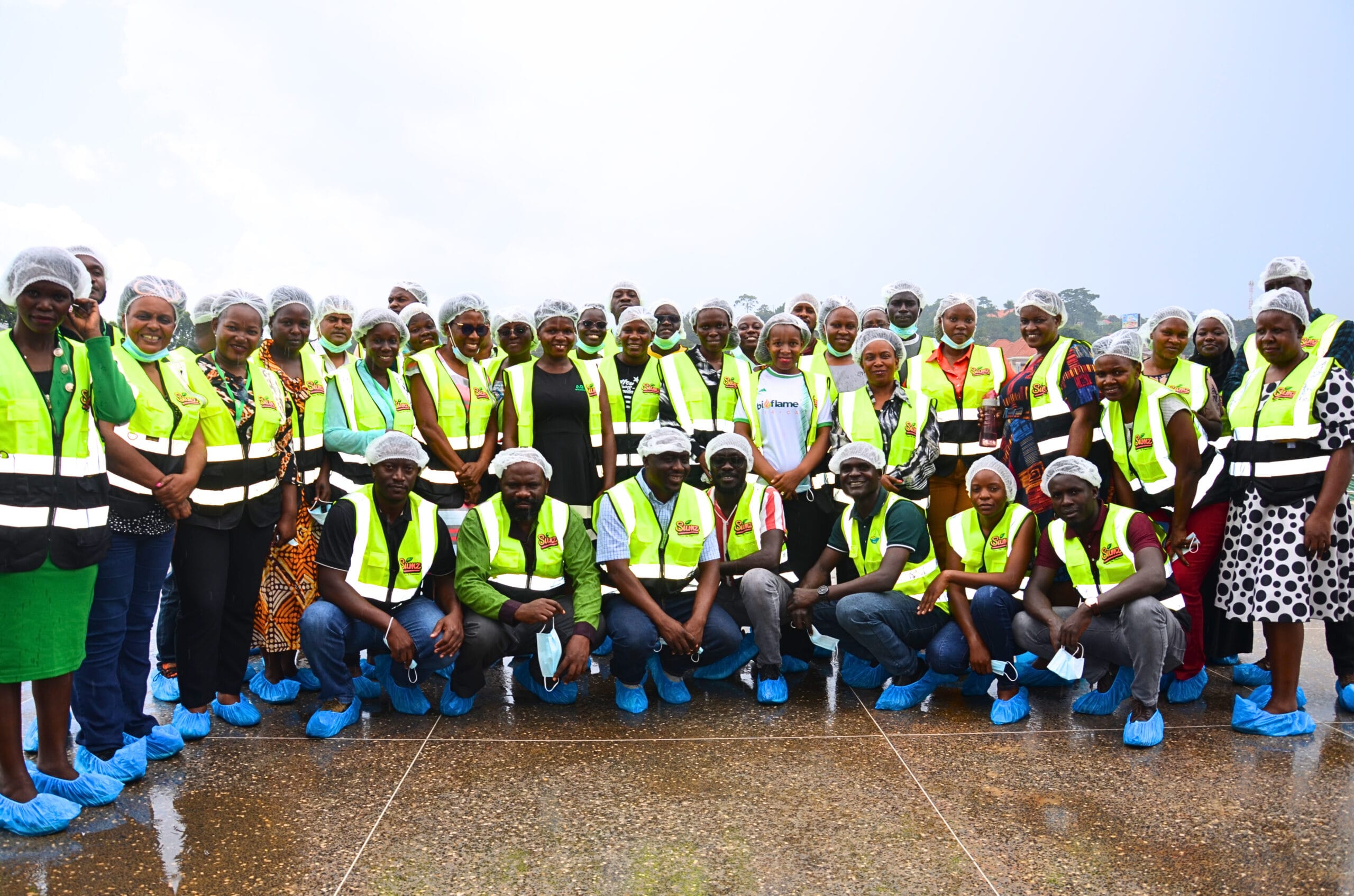 Figure 1: A team suits up in protective gear for a site visit Psalms sustainability lessons learned on the factory floor, not just in the classroom. Photo: Regenerate Africa.
Forget the idea that “green” is just good Public Relations. For a growing number of Ugandan women entrepreneurs, sustainability has quietly become their sharpest competitive edge, the difference between a business that survives and one that scales.
That shift is the story of the Green Businesses and Jobs for the Green Transformation Project, commissioned by the German Government in partnership with the European Union and Norway, and implemented by Deutsche Gesellschaft für Internationale Zusammenarbeit (GIZ) and Stanbic Business Incubator Limited (SBIL), working closely with Uganda’s Ministry of Gender, Labour and Social Development.
Regenerate Africa was commissioned to deliver the capacity-building services at the heart of the programme designing the curriculum, facilitating every session, and coordinating delivery on the ground. Since September 2025, the programme has moved through three distinct cohorts (Kampala, Wakiso and Mukono) each one sharpening the model and bringing more enterprises closer to investment readiness, working toward an overall target of 200 green, women-led small and medium enterprises (SMEs) equipped to compete in Uganda’s formal economy.
Objectives and expected results. The training set out to help women-led SMEs transition into green enterprises that are investment-ready and able to compete in Uganda’s formal economy. By the end of each cohort, participants were expected to produce a Green Business Transformation Plan, pitch it before a panel of evaluators and financiers, and build capacity in six areas: green business transformation, governance, financial management, compliance, market positioning, and investor readiness.
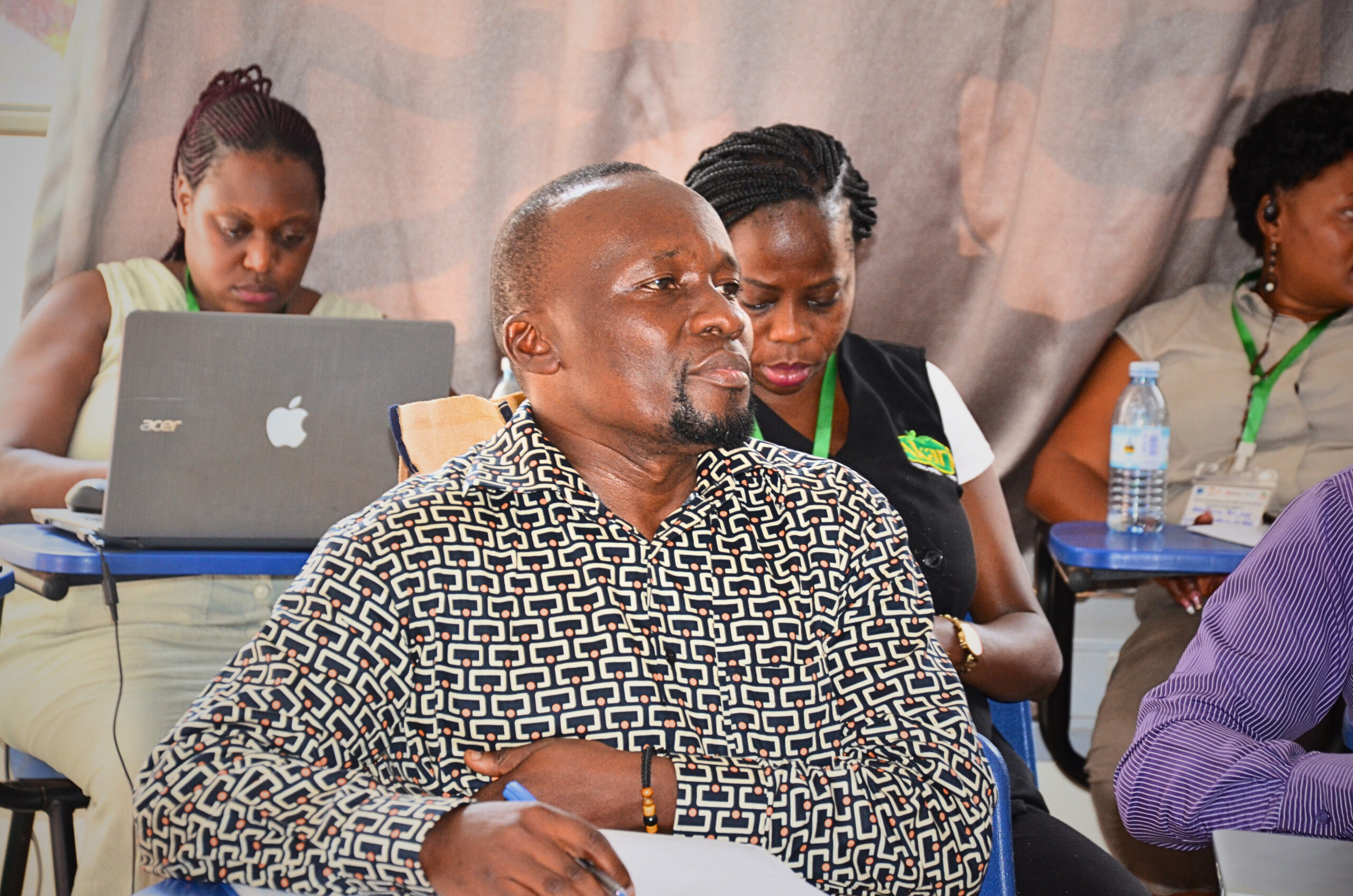
Figure 2 Dr .Joshua Zake,(Ph.D) Technical and Strategic advisor Regenerate Africa.(Facilitator)
How the training was prepared, organised and delivered. The participants were drawn from more than 500 applications, with 200 candidates shortlisted, and trained in four cohorts, each running over several weeks. Regenerate Africa designed the curriculum, facilitated the sessions and coordinated delivery on the ground. As the model matured, each cohort combined classroom sessions , one-on-one business clinics with regulators and financiers, site visits to host businesses, and a closing pitch before a panel.
The curriculum was a needs assessment, consultation with GIZ and SBIL, alignment with the programme’s green business objectives and was delivered through a blended format of classroom sessions, one-on-one business clinics, site visits and a closing pitch day. Sessions were held in Kampala, with the Cohort Four in Mukono and the final Business Clinic at Protea Hotel Kololo.
The scale, by the numbers, is striking: over 200 enterprises trained, more than 160 pitches delivered, and site visits to more than a dozen host businesses spanning dairy, plastic recycling, food processing, and packaging.
By the end of the programme, the change was visible in four areas.
Knowledge and skills. 85 %Women-led SMEs reported enhanced knowledge and skills in green business transformation, governance, financial management, compliance, market positioning, and investor readiness.
Green practices adopted. Enterprises moved from intention to practice. In the first two cohorts alone, 47 enterprises completed Green Business Transformation Plans (27 in Cohort One and 20 in Cohort Two). Graduates such as Dr Proscovia Athieno of Aroza Group Limited spoke of cutting their carbon footprint, and Veronica Nandugwa Brenda of Yoola Kasasilo of scaling organic waste-to-fertiliser systems.
Access to finance. Financiers were part of the journey from the start: 27 Cohort One enterprises pitched to financiers, and the closing Business Clinic connected graduates with Stanbic Bank, Stanbic FlexiPay, and digital finance partners.
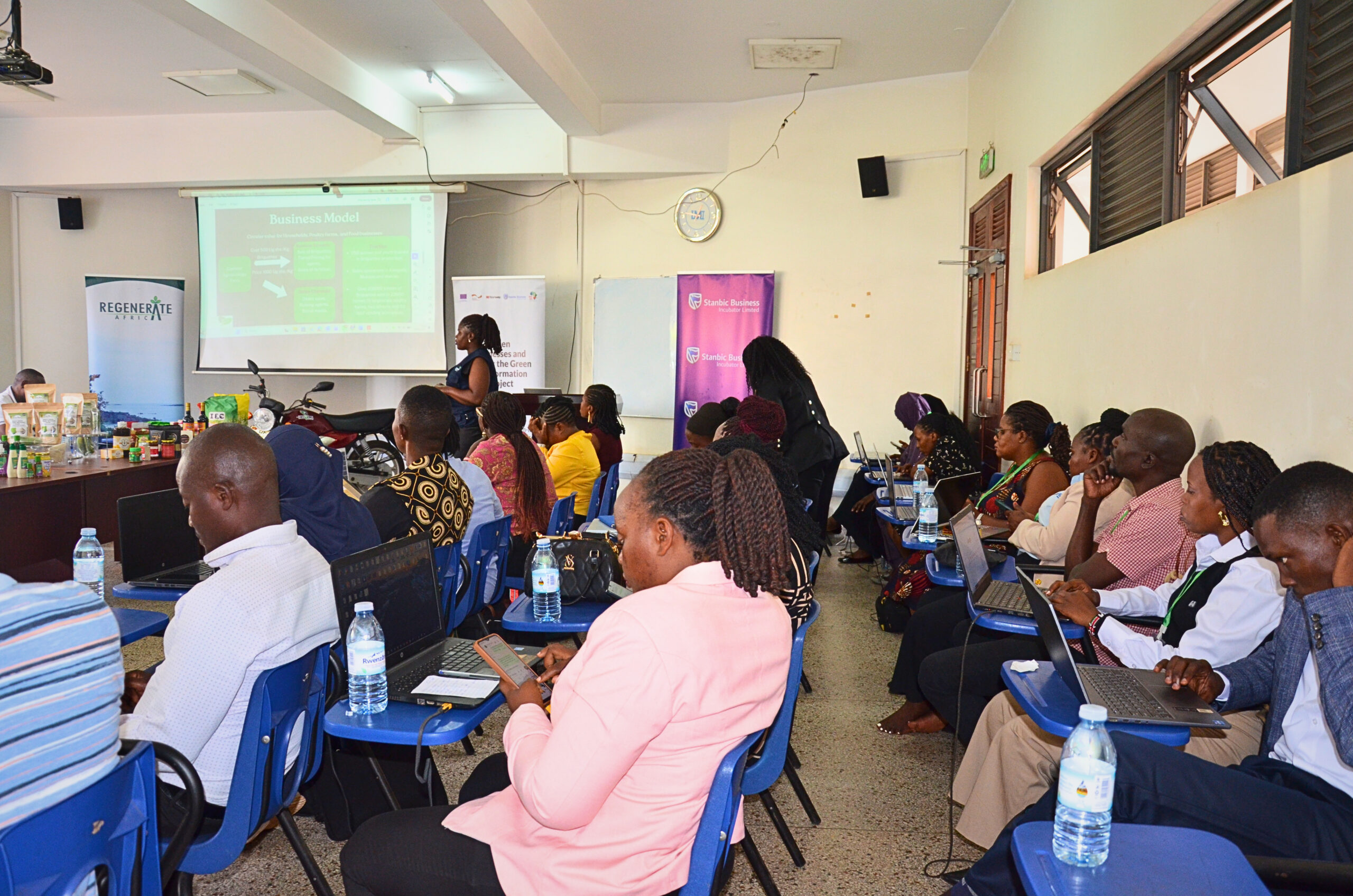
Figure 3: Participants settle in for a training session one of many hours spent turning green ambition into governance, compliance, and financial discipline. Photo: Regenerate Africa.
But the real story lives in the details in the entrepreneur who watched offcuts get reused at a packaging plant and stopped calling them waste; in the business owner who sat down with a Certified Public Accountant (CPA) and finally understood why her own drawings from the till were quietly bleeding her business dry; and in the founders who learned, pitch after pitch, that a good idea and a bankable one are not the same thing.
Four Cohorts, One Evolving Model
It began in September 2025, when 32 SMEs gathered in Kampala for the programme’s first cohort for many, their first structured exposure to green business foundations, governance, and compliance.
Over eight weeks, participants worked through fundamentals most had never had the space to formalize: separating personal and business finances, learning to see waste as a resource rather than a burden, and finding language investors could actually understand
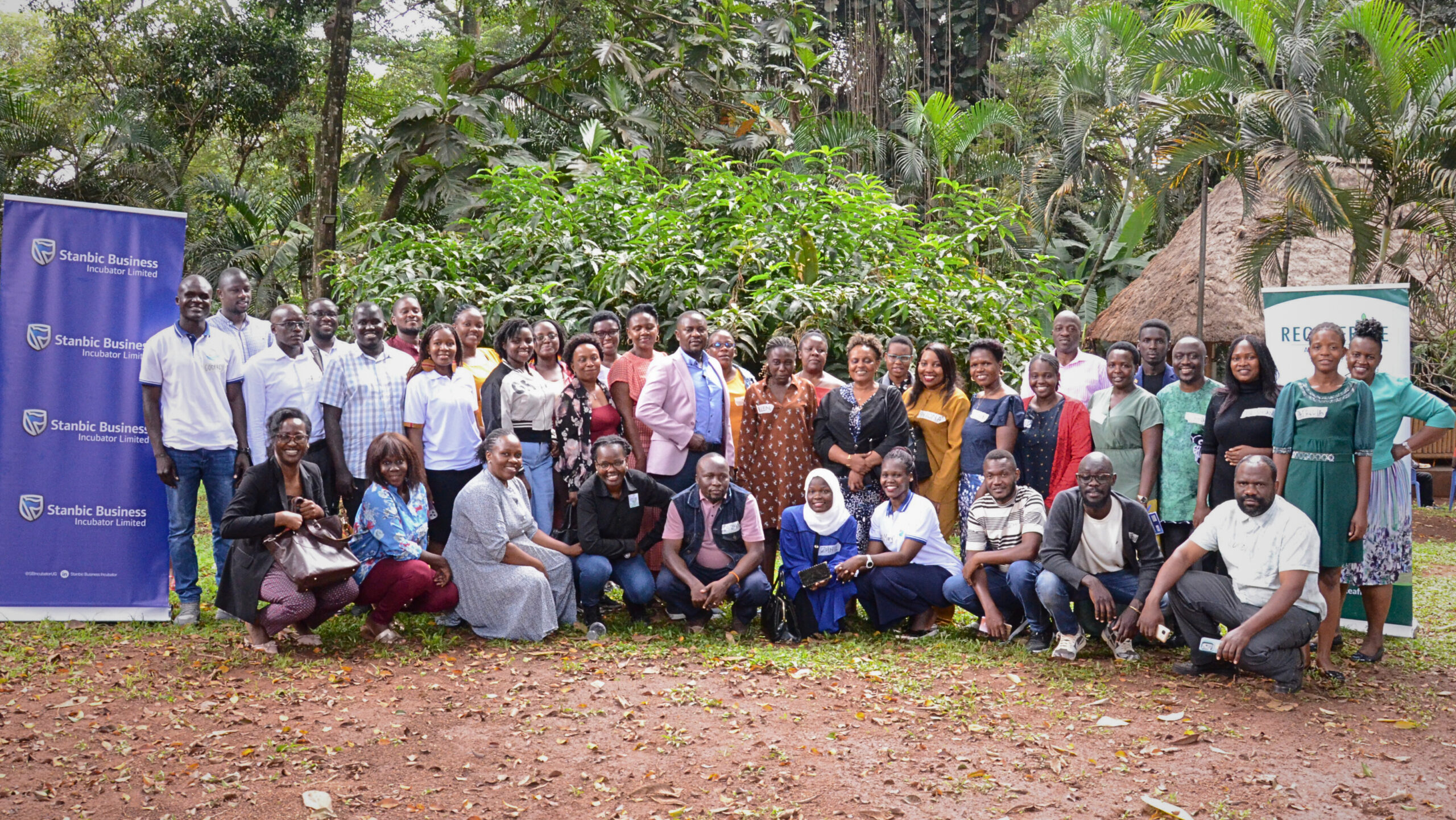 Figure 4: Cohort One, Day One: 32 SMEs gather in Kampala for their first structured exposure to green business foundations, governance, and compliance. Photo: Regenerate Africa.
By the end, 27 enterprises had drafted full Green Business Transformation Plans, 21 had shown their products, and 27 had pitched to financiers. Site visits to Psalms Foods Uganda and ACE Packaging turned theory into something tangible proof that quality control, circularity, and sustainable packaging could carry a small enterprise into more competitive markets. The impression stuck. As one participant put it after touring ACE Packaging:
“Waste is not waste; it is a resource that can be turned into wealth. Seeing how offcuts were reused opened my eyes to opportunities I had been overlooking.” George Mukulu from Linton Box Packaging Limited.
By March 2026, the model had matured.
The second cohort brought together 31 participants representing 25 businesses, and the focus shifted from foundations to systems governance maturity, financial discipline, and compliance readiness. This round introduced something new: business clinics, where entrepreneurs sat one-on-one with institutions including the Uganda Registration Services Bureau (URSB), the Uganda Revenue Authority (URA), Stanbic Bank, and digital finance providers. For many, it was the first time they had direct, individualized access to the regulators and financiers whose requirements had, until then, felt abstract.
Twenty enterprises completed the full pathway, producing transformation plans and pitching before a panel, while site visits to Mirembe Foods and Ever Recycle Uganda gave participants a working model of what recycling, compliance, and resilience look like in practice, not just in principle.
By May 2026, the programme had grown bolder in scale and ambition.
More than 40 SME owners gathered in Kampala for six intensive weeks, making it the most demanding iteration yet. Participants moved progressively through diagnosing resource leakages, strengthening gender inclusion, tightening governance and financial discipline, meeting compliance standards, sharpening branding and partnerships, and finally preparing to pitch.
Site visits to Kanye’s Dairy Farm, Jero Farm, and Mirembe Foods gave participants a close look at circular practices and compliance systems already in motion. The cohort culminated in a pitch day on 9 July, where business models were tested before a multidisciplinary panel.
The feedback converged on a consistent set of essentials for bankability: one clear commercial focus, verified market demand, accurate historical numbers, and measurable impact
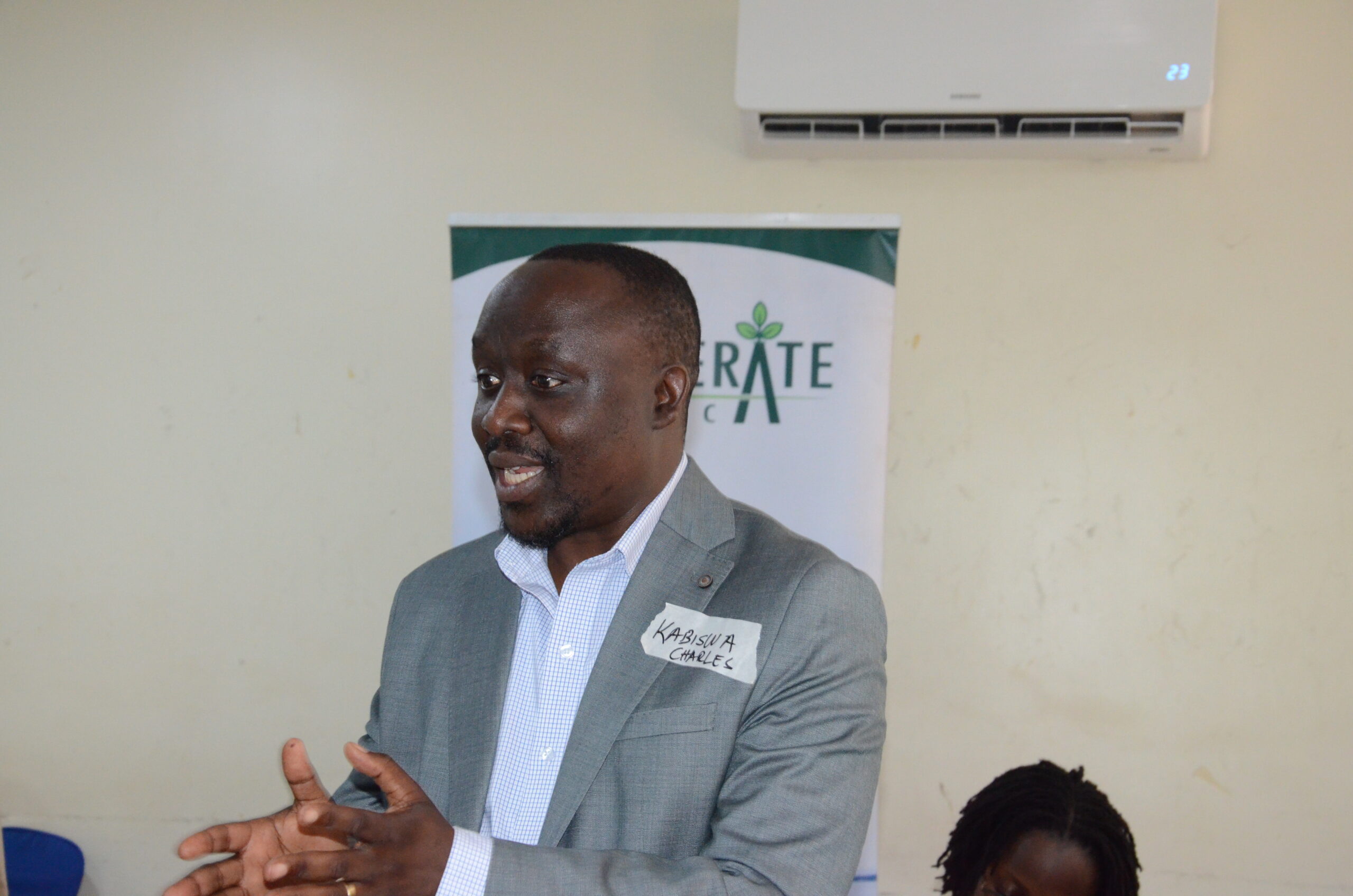
Figure 5 Mr. Charles Kabiswa, Executive Director of Regenerate Africa, facilitating a session. Photo: Regenerate Africa
As one facilitator told participants:
“Green transformation is not an environmental label. It is a business performance agenda. Investors want numbers, systems, and credibility.” Mr. Kabiswa Charles Executive Director Regenerate Africa.
Just a day later, on 10 July 2026, the spotlight moved to Mukono , where 17 enterprises pitched their Green Business Transformation Plans.
The range of businesses on display reflected just how far Uganda’s green economy now reaches: food processing, eco-packaging, aggrotech, poultry, leather crafts, and community forestry all had a seat at the table.
Assessment scores showed clear strengths in pitch quality and communication (3.76 out of 5) and market understanding (3.61 out of 5) but also surfaced a gap the programme’s next phase will need to address: financial viability and quantified environmental impact.
Even so, standout enterprises demonstrated what strong commercial viability looks like in practice. Ikechi Investments (ZOWE Brand) and Nutri cycle Sustainable Feeds impressed evaluators with grounded, credible business models, while SAERD-TECH Consultants showcased genuine innovation potential in climate-smart irrigation.
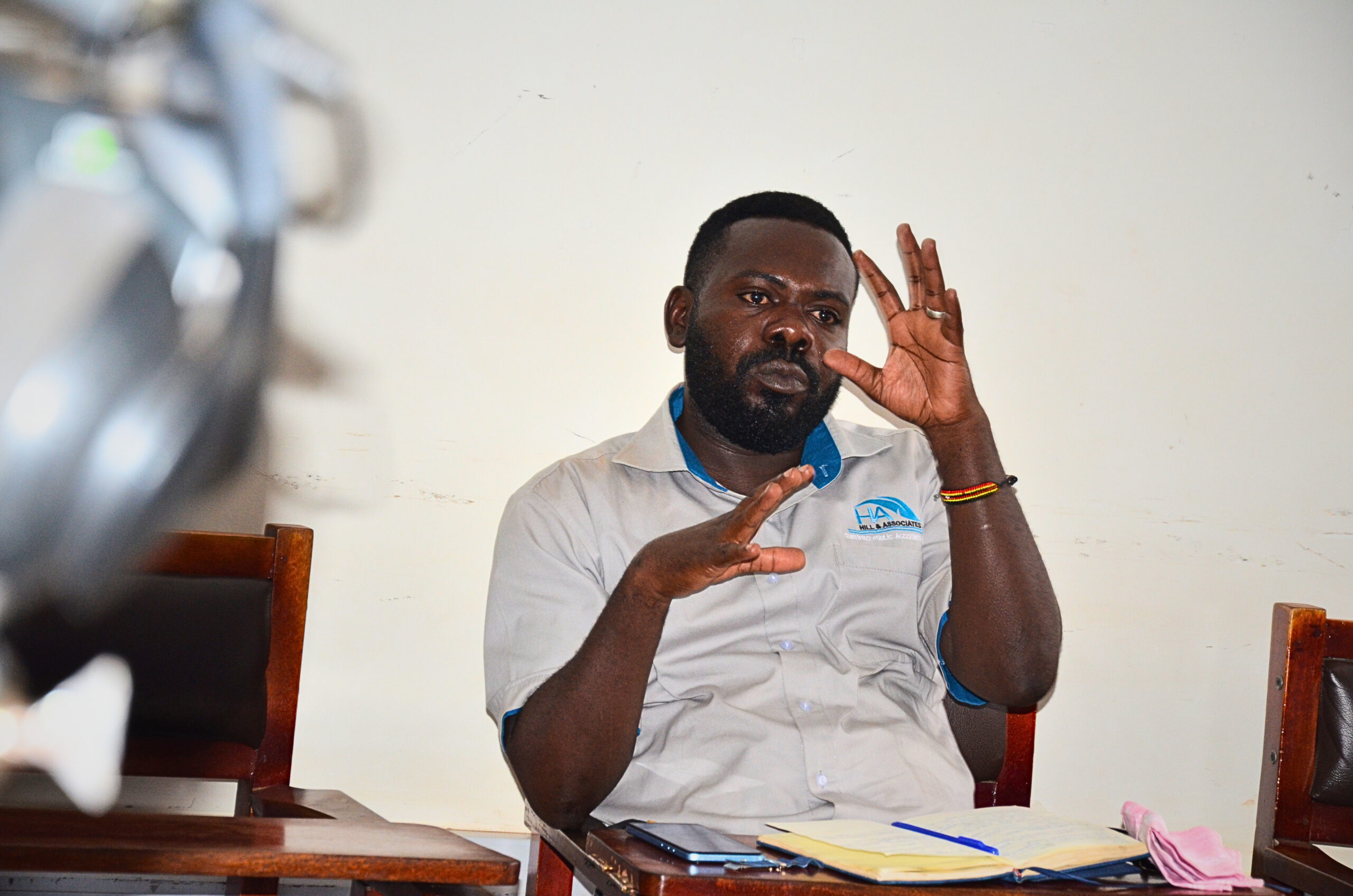
Figure 6: CPA Henry Kizza facilitates a session on Financial Management and Record-Keeping during the Pitch Day for Cohorts 3 and 4.
The message from evaluators was clear:
“Investment readiness requires not just a good idea but verified numbers, market evidence, and measurable impact.” Mr. Solomon Kimbugwe ,tax educator , facilitator from URA.
The Bigger Picture: One Programme, Four Rounds, One Impact
Taken together, these four rounds add up to more than a training programme; they trace a full arc of transformation. Over 100 enterprises trained. More than 94 pitches were delivered. Ten-plus industry immersions completed, across sectors as varied as dairy, plastics recycling, food processing, and packaging. Capacity was built across six critical domains: green business transformation, governance, financial management, compliance, market positioning, and investor readiness.
What changed, though, is best heard in the participants’ own words. Across the cohorts, a common thread runs through what they took away the sense that going green is not a soft add-on to a business, but the discipline underneath it.
“Systems must come before money.”
“Waste is a revenue opportunity.”
“Investment readiness requires verified numbers and measurable impact.”
Three different voices, three different moments: a participant reflecting mid-programme, another after a site visit to Ever Recycle Uganda, and an evaluator summing up what it takes to convince an investor. Together, they read like a single lesson learned in stages: build the systems first, find the value hiding in what you would otherwise throw away, then prove it with numbers no one can argue with.
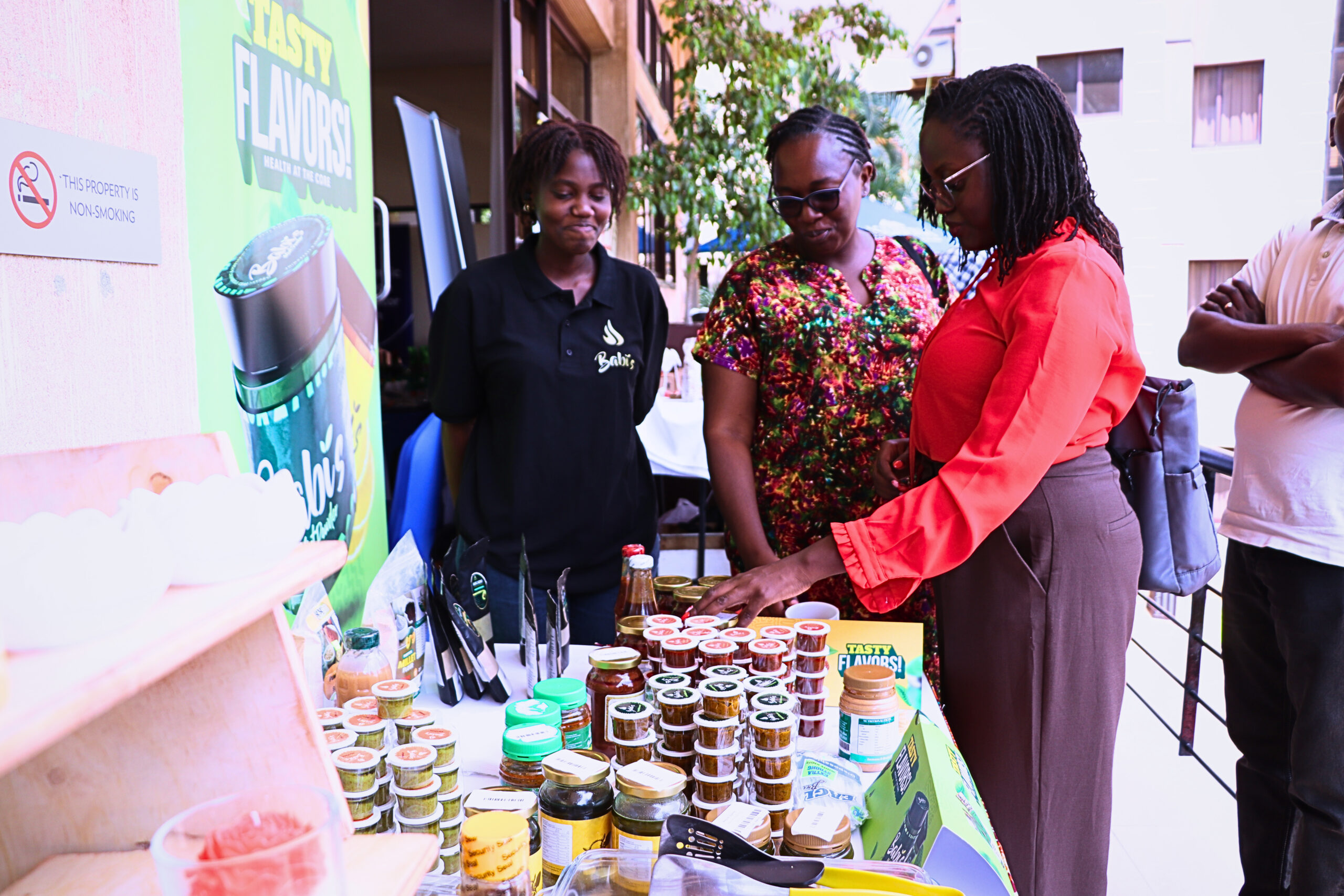 Figure 7: A product showcase table from one of the programme’s green enterprises, part of the exhibition accompanying the 4 cohort’s business clinic. Visitors sample locally made condiments and sauces at Babis naturals’ business Clinic stand. Photo: Regenerate Africa.
The final chapter unfolded over two days at Protea Hotel Kololo in Kampala.On 30 July 2026, the programme convened a Business Clinic on Access to Markets a one-stop help-desk bringing together URSB, URA, Uganda National Bureau of Standards (UNBS), Stanbic Bank, Stanbic FlexiPay, the Uganda Export Promotion Board, Nkumba University School of Law, and digital partners like TREDA an ERP software and Zoho soft ware.
The clinic enabled women-led SMEs from all four cohorts to receive direct, one-on-one support on the barriers still standing between training and practice: incomplete registration, tax and EFRIS gaps, weak certification knowledge, and financial records not yet strong enough to satisfy a lender’s eye .
The very next day, 31 July, that same journey reached its formal close at a Graduation Ceremony recognising 165 women-led green enterprises drawn from an original pool of more than 500 applications and 200 shortlisted candidates.
Certificates were awarded across cohorts, with remarks from SBIL, GIZ WE4D, and Uganda’s Ministry of Gender, Labour and Social Development, alongside testimonials from graduates such as Dr Proscovia Athieno of Aroza Group Limited and Veronica Nandugwa Brenda of Yoola Kasasilo, who spoke of cutting carbon footprints and scaling organic waste-to-fertiliser systems, respectively.
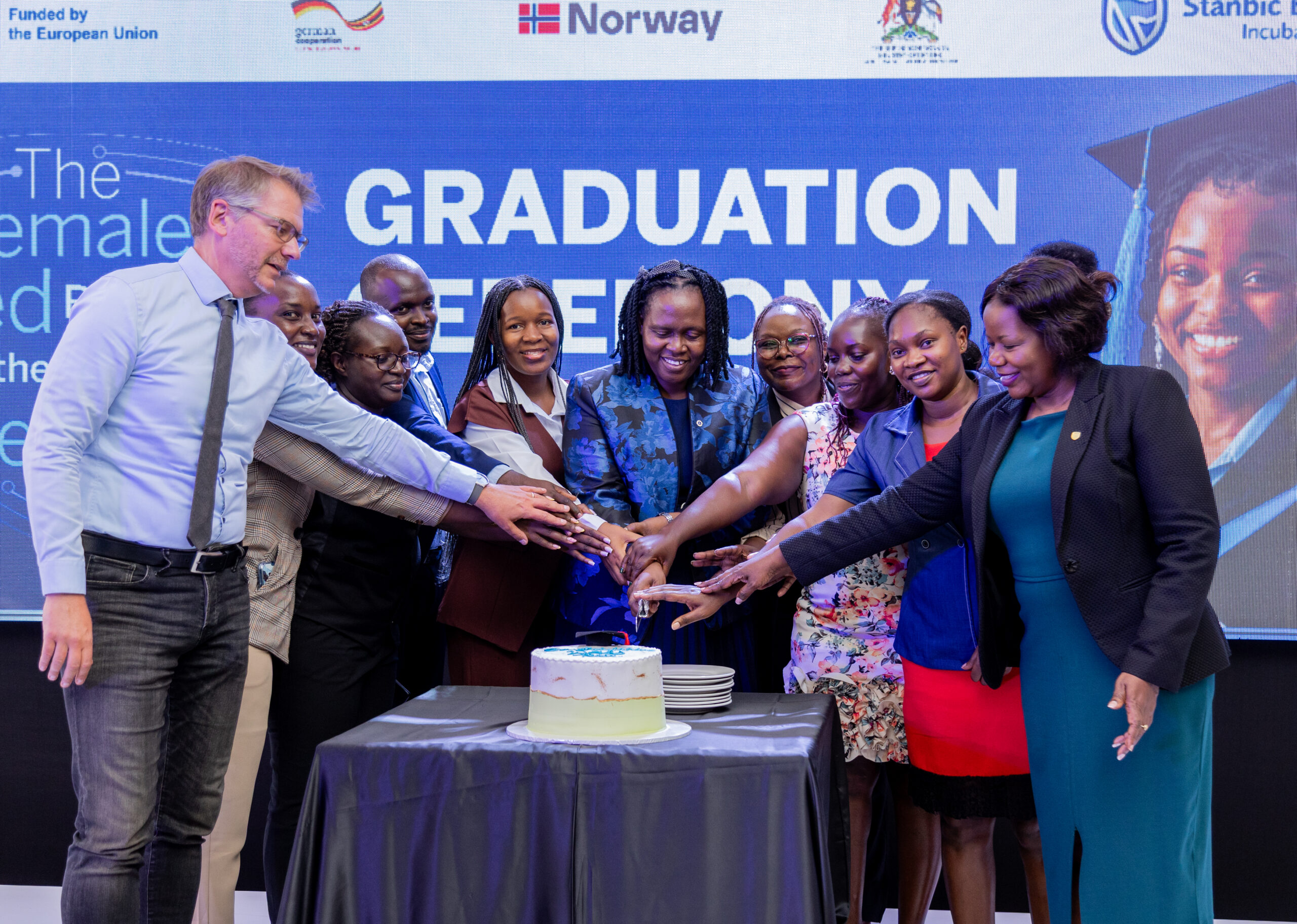 Figure 8: Partners cutting the cake during the graduation ceremony. Photo by Regenerate Africa
Looking Ahead
The story does not end when the certificates are handed out. It ends, if it ends at all, months later in a ledger that finally balances, a supplier relationship formalised on paper instead of a handshake, or a loan application that gets approved because the numbers finally hold up.
That is the work still ahead.
Reaching more women-led SMEs will take more than one programme. More than 500 enterprises applied for this training and 165 graduated, which points to demand well beyond what a single programme can meet. Targeted, responsive and intentional capacity building can help many more women-led SMEs transition and operate as green enterprises. In doing so, it contributes to the sustainability goals and objectives set out in Uganda’s national plans, policies and legal frameworks. The Government, Civil Society Organisations and Development Partners are therefore urged to invest in scaling up and scaling out this training, so that other women-led SMEs across Uganda can benefit.
The next phase of the Green Business Transformation Programme moves from classroom to follow-through: coaching, mentorship, certification support, and an alumni network built to outlast the training itself. It is the harder, quieter part turning a Green Business Transformation Plan from a document into a habit.
Uganda’s women entrepreneurs were never just passing through this programme. Round after round, they have shown something simple and hard to fake that clarity about what you are building, resilience when the numbers do not yet add up, and honesty about where you stand are what turn a small enterprise into something that lasts.
Africa’s green transformation will not arrive as a policy announcement. It is already being built one ledger, one pitch, one repaired system at a time by the women doing exactly that.
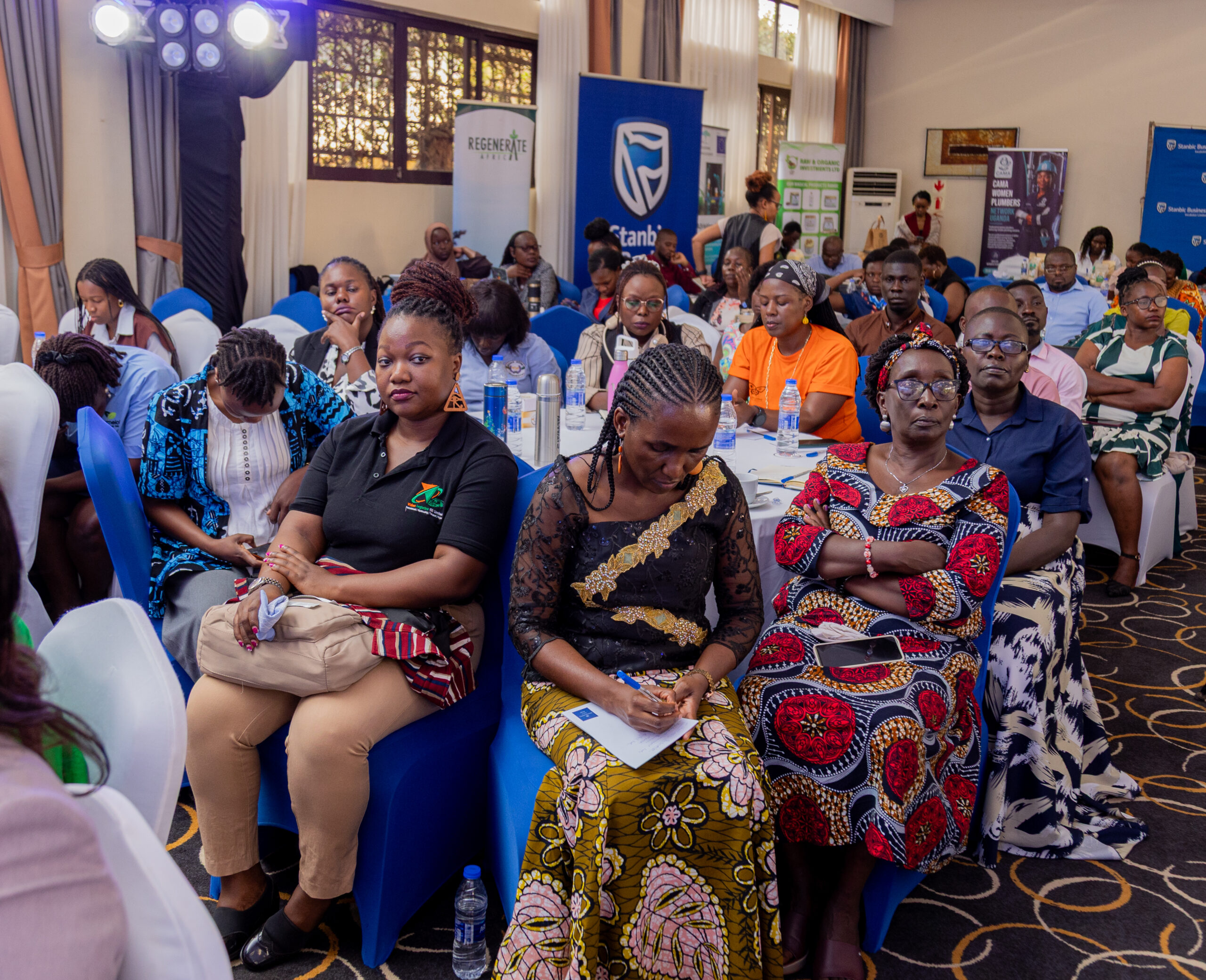
Figure 9: Graduands at the ceremony. Photo by Regenerate Africa
Key terms used in this story
Small and medium enterprises (SMEs): Businesses larger than micro-enterprises but smaller than large corporations, usually classified by number of employees, turnover and assets. In this story, the focus is on women-led SMEs, those owned or managed by women.
Green business: A business that operates in ways that reduce harm to the environment, use resources efficiently and manage waste responsibly, while staying commercially viable.
Sustainability: Meeting present needs without compromising the ability of future generations to meet theirs. For a business, this means balancing environmental, social and economic performance.
Green business transition (or transformation): The process by which an existing business changes how it operates, including its use of materials, energy and waste, its governance and its finances, so that it becomes a green business. In this programme, each enterprise set out its pathway in a Green Business Transformation Plan.
Circularity: Keeping materials and products in use for longer through reuse, repair and recycling, so that waste becomes an input for new production.
Investment readiness (bankability): Having the systems, records, compliance and market evidence that investors and lenders need before they will finance a business.